Davida Helmets
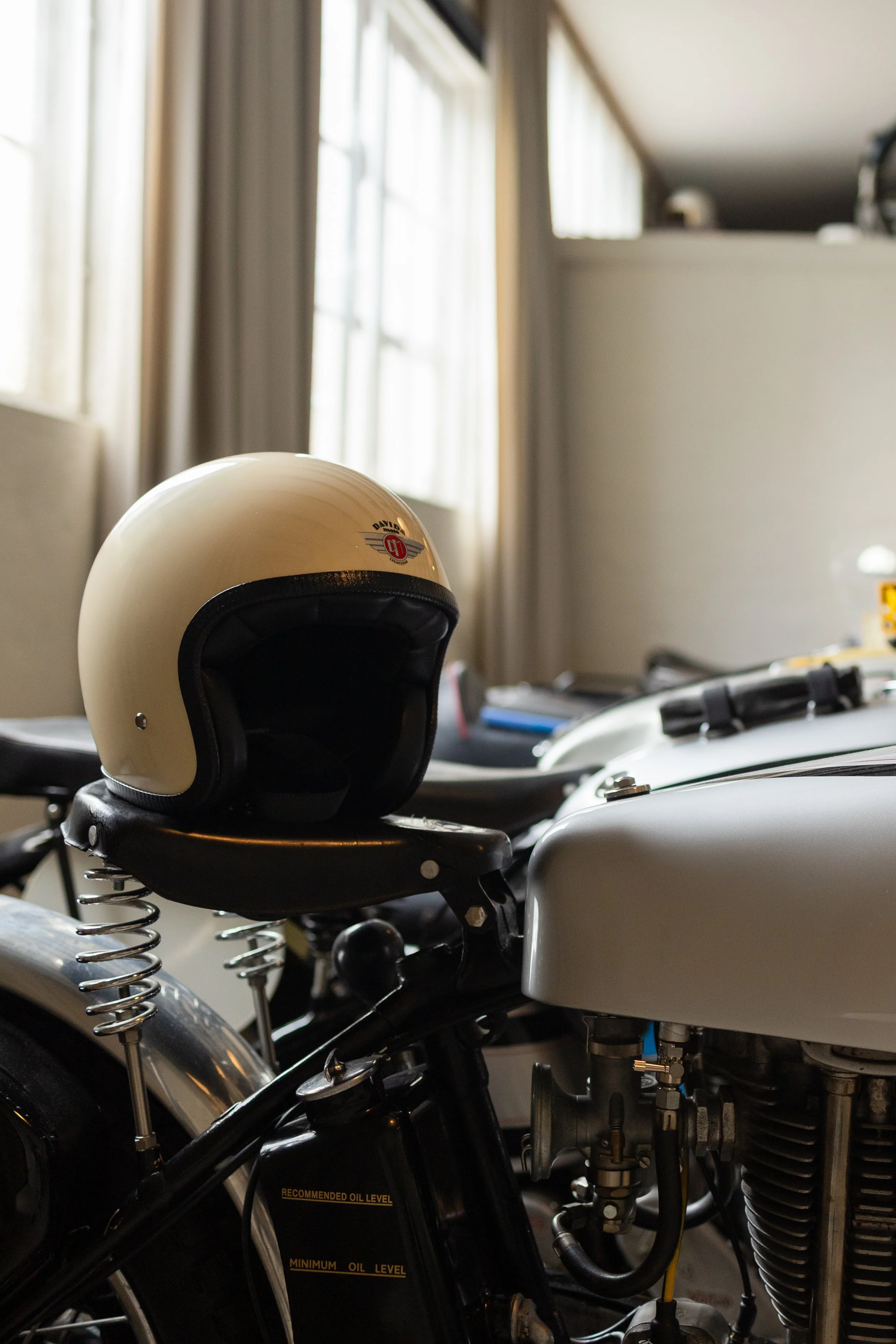
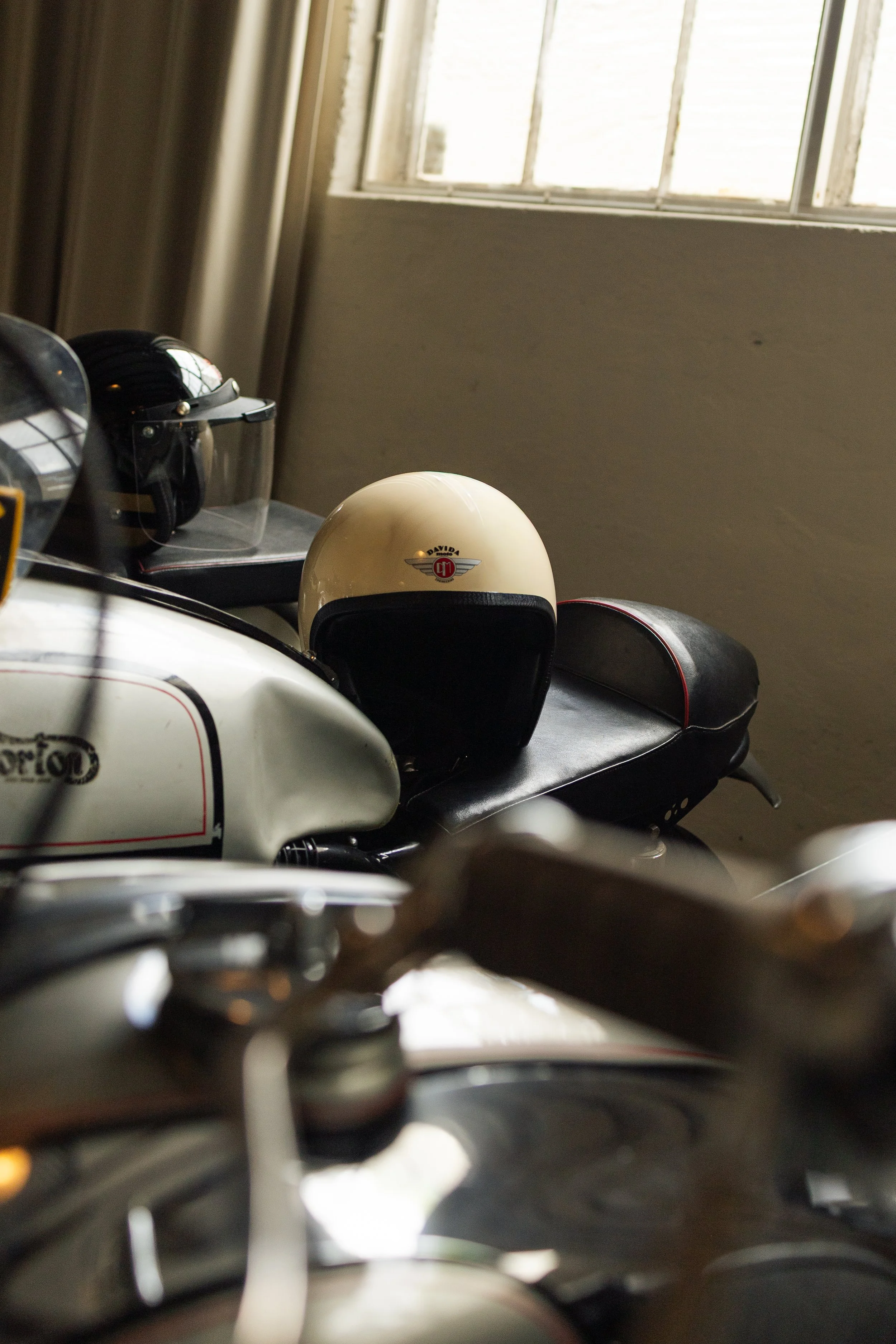
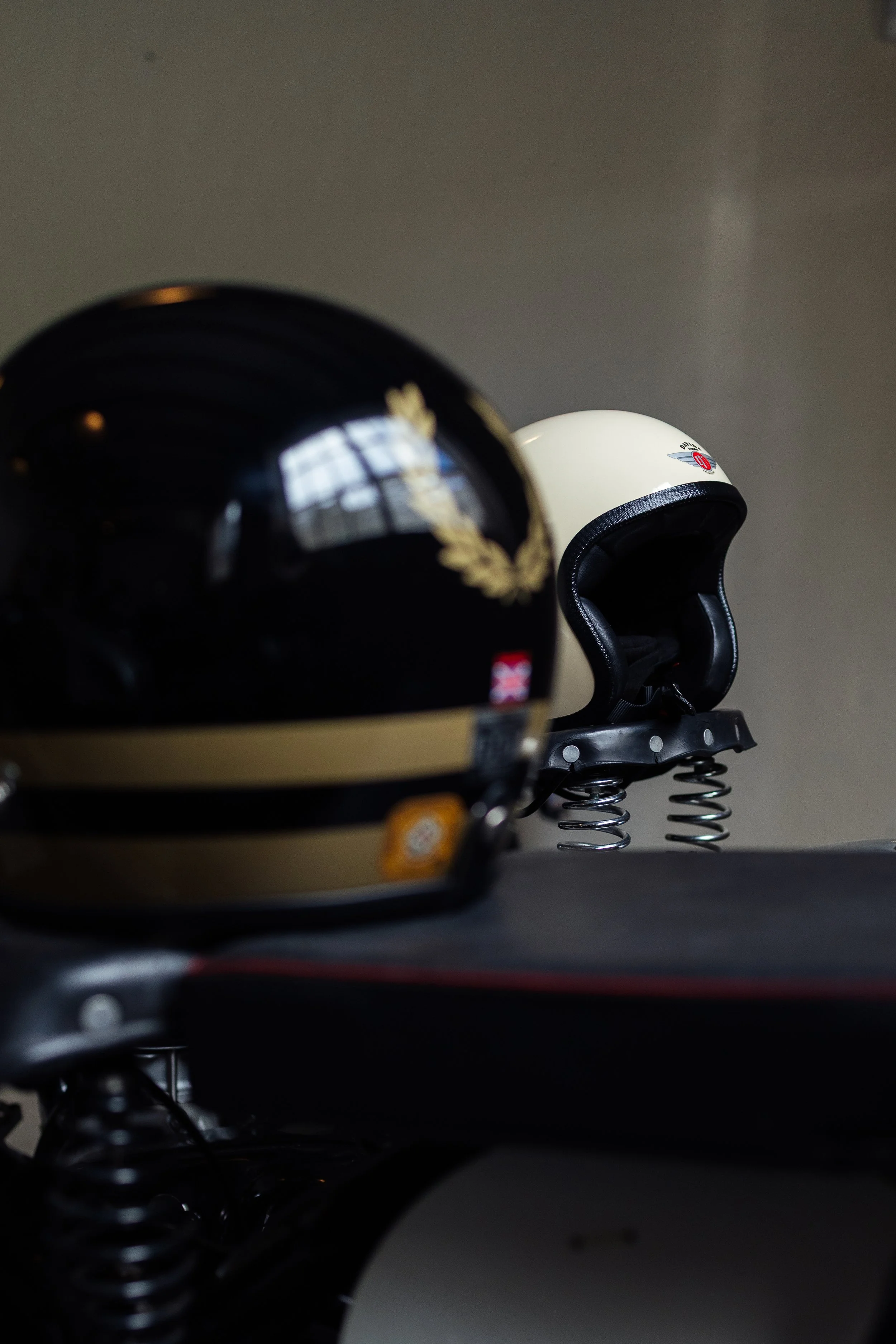
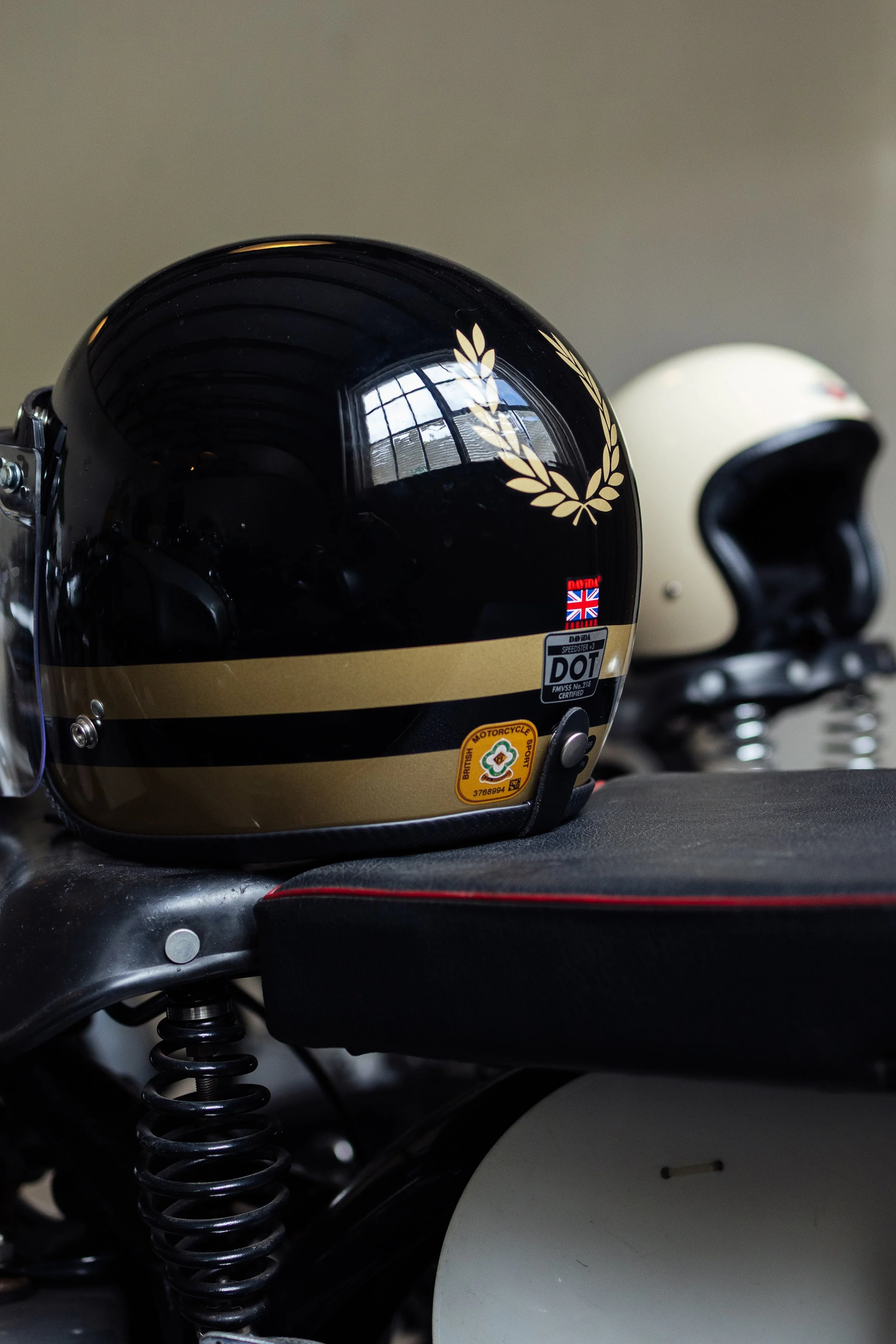
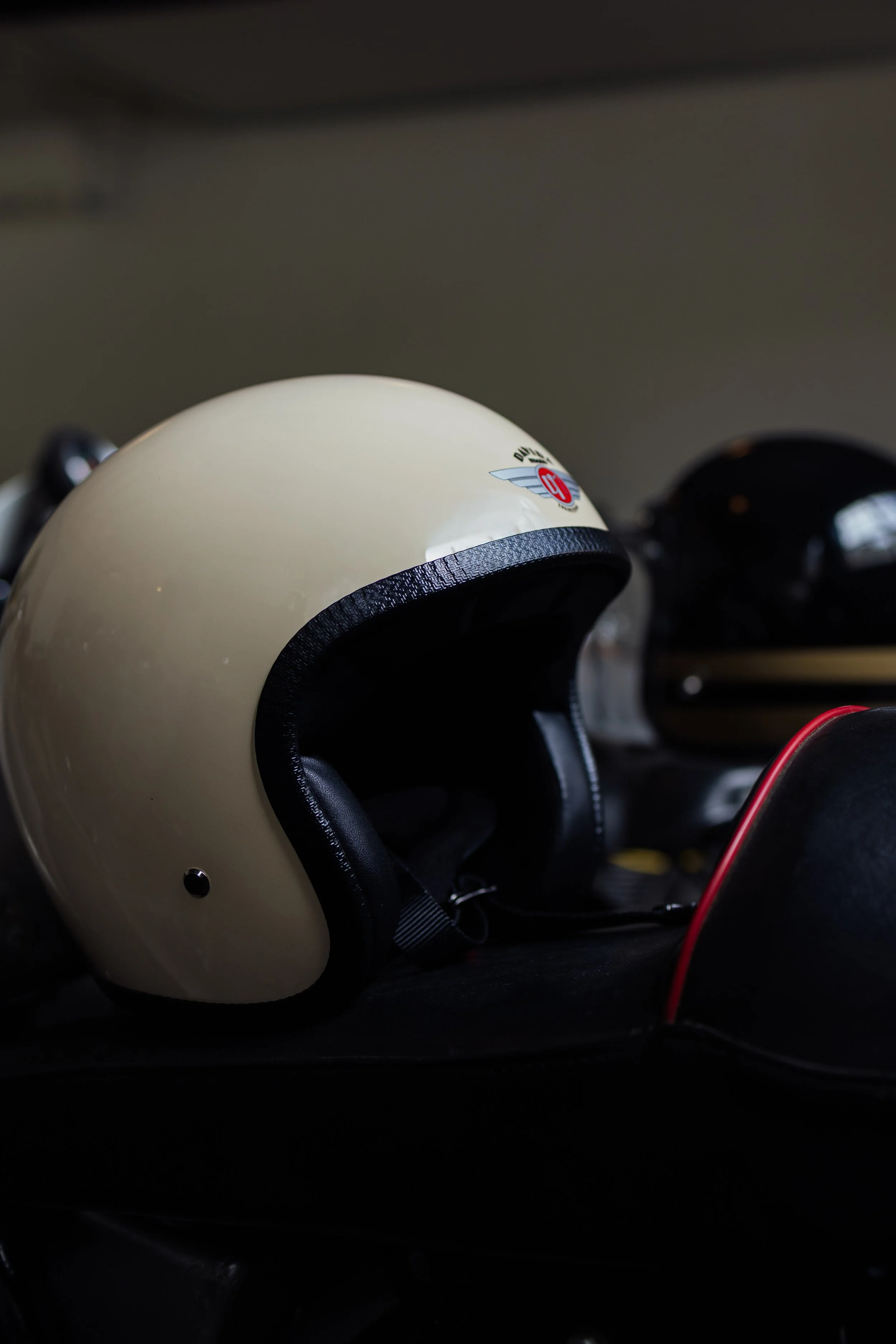
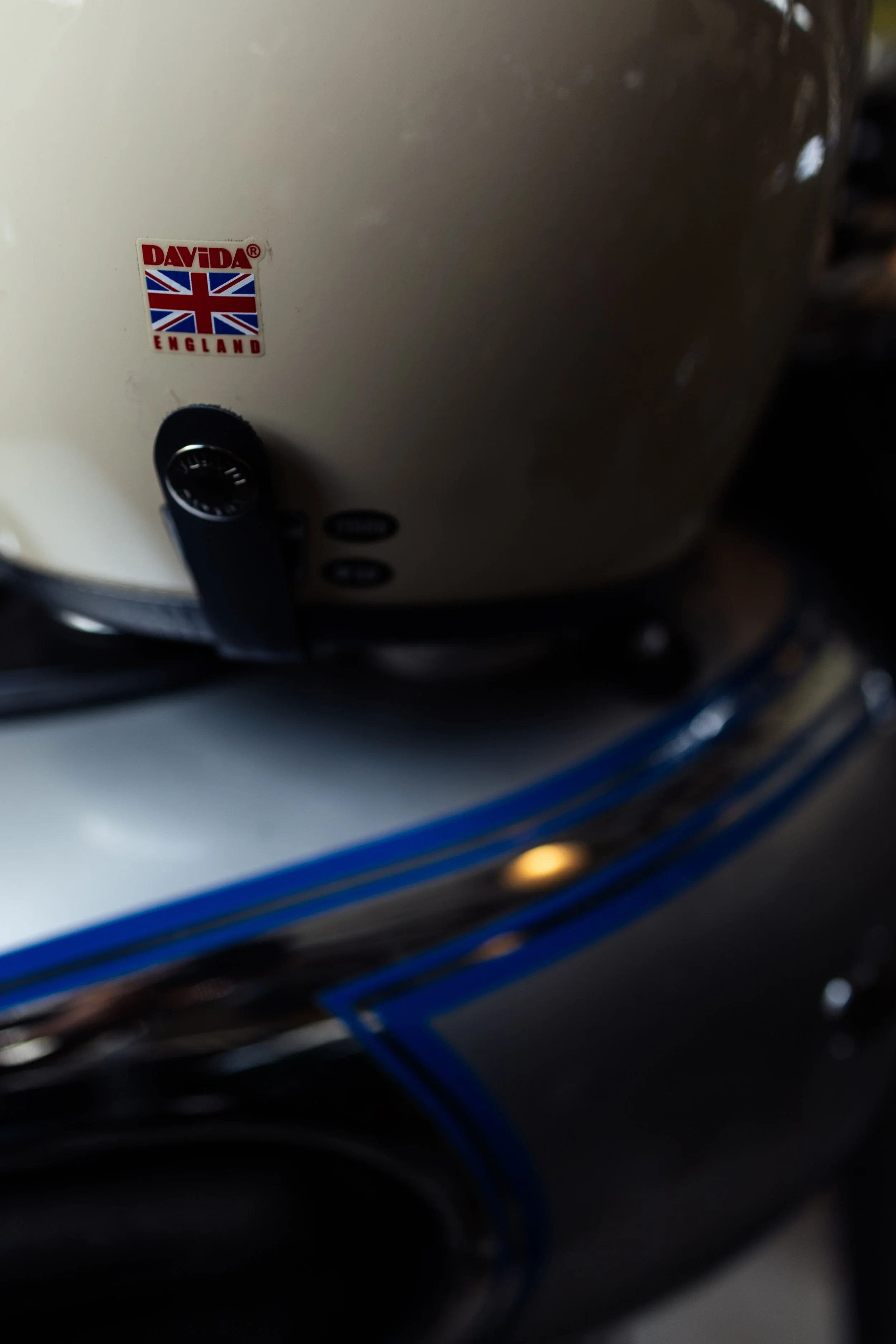
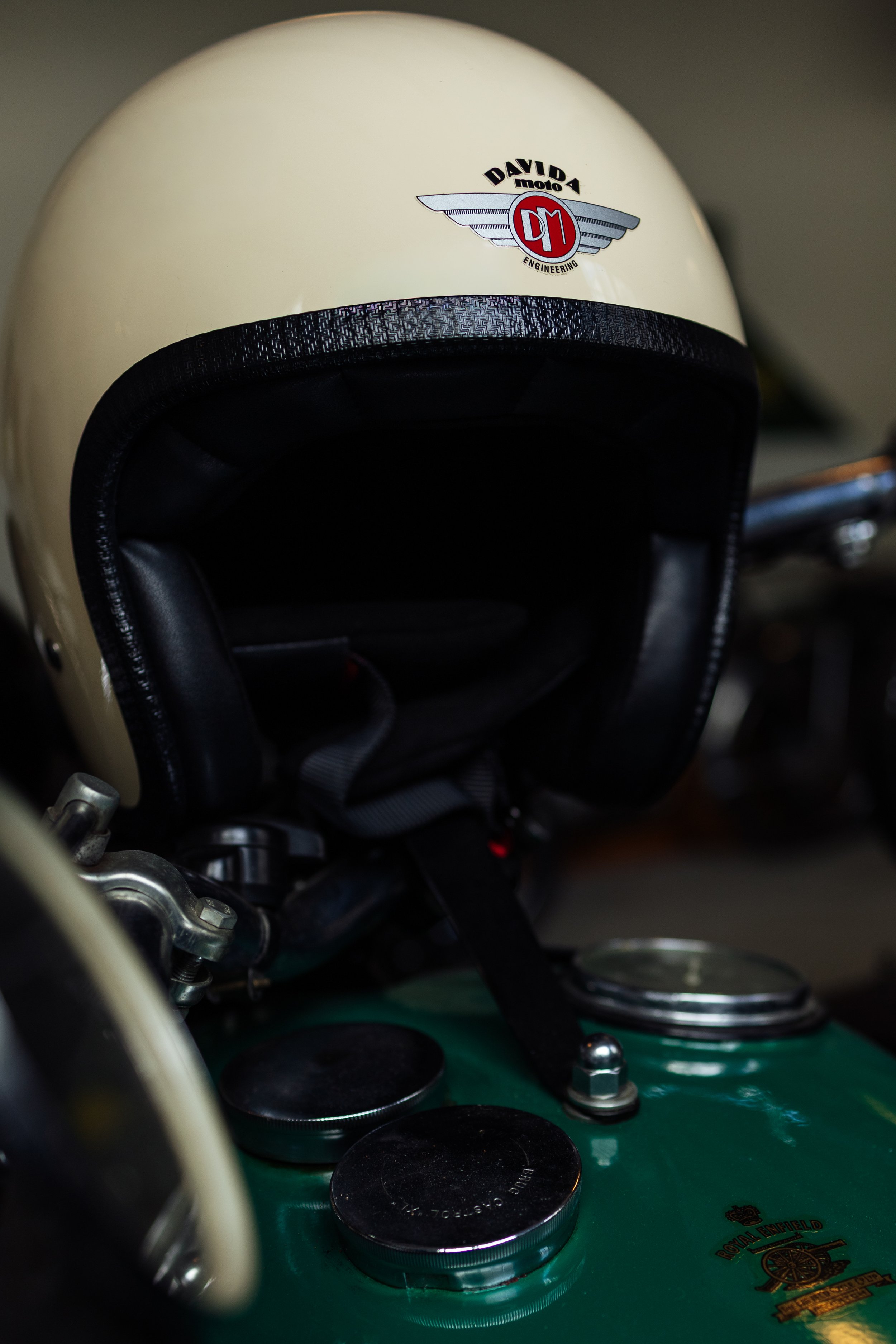
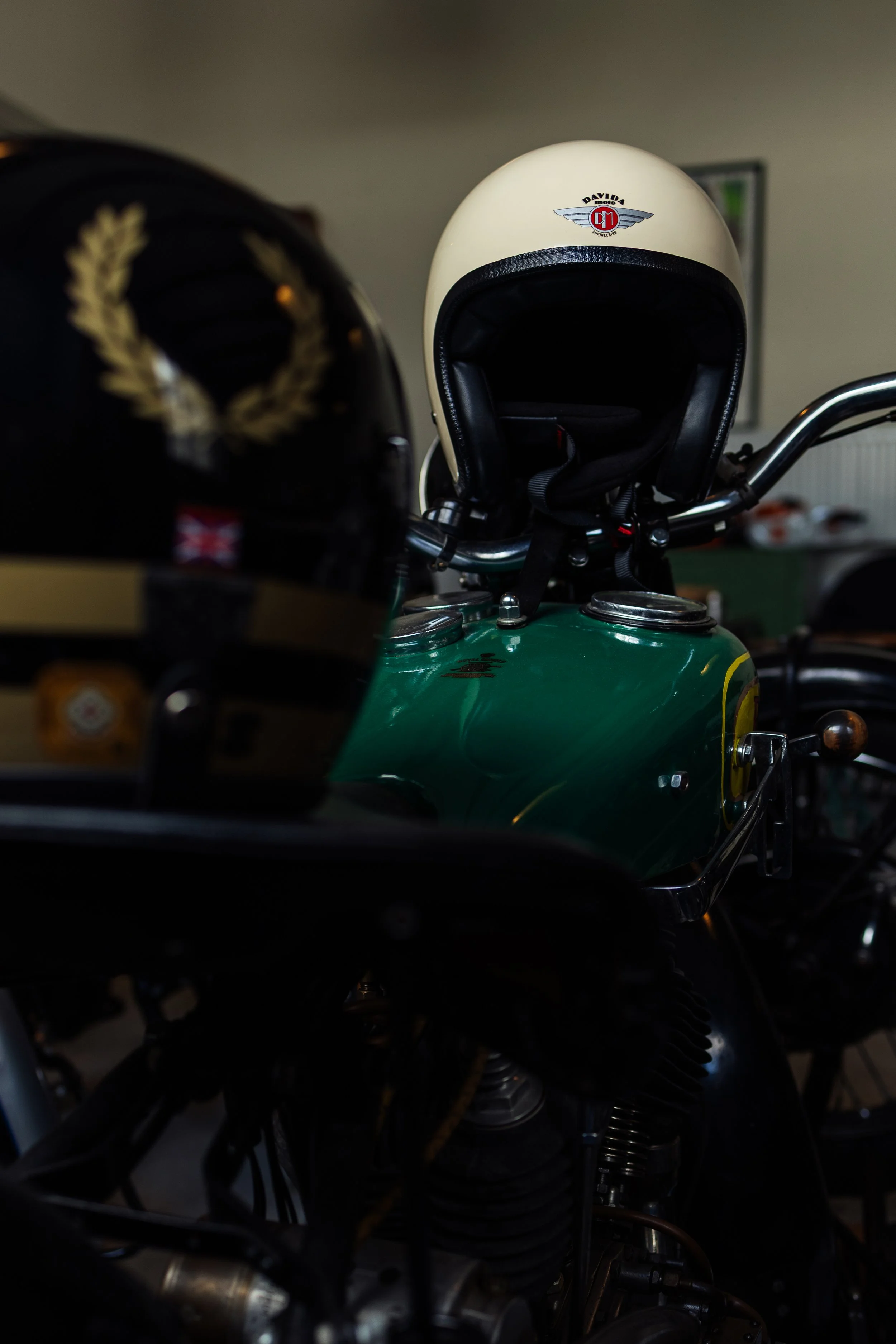
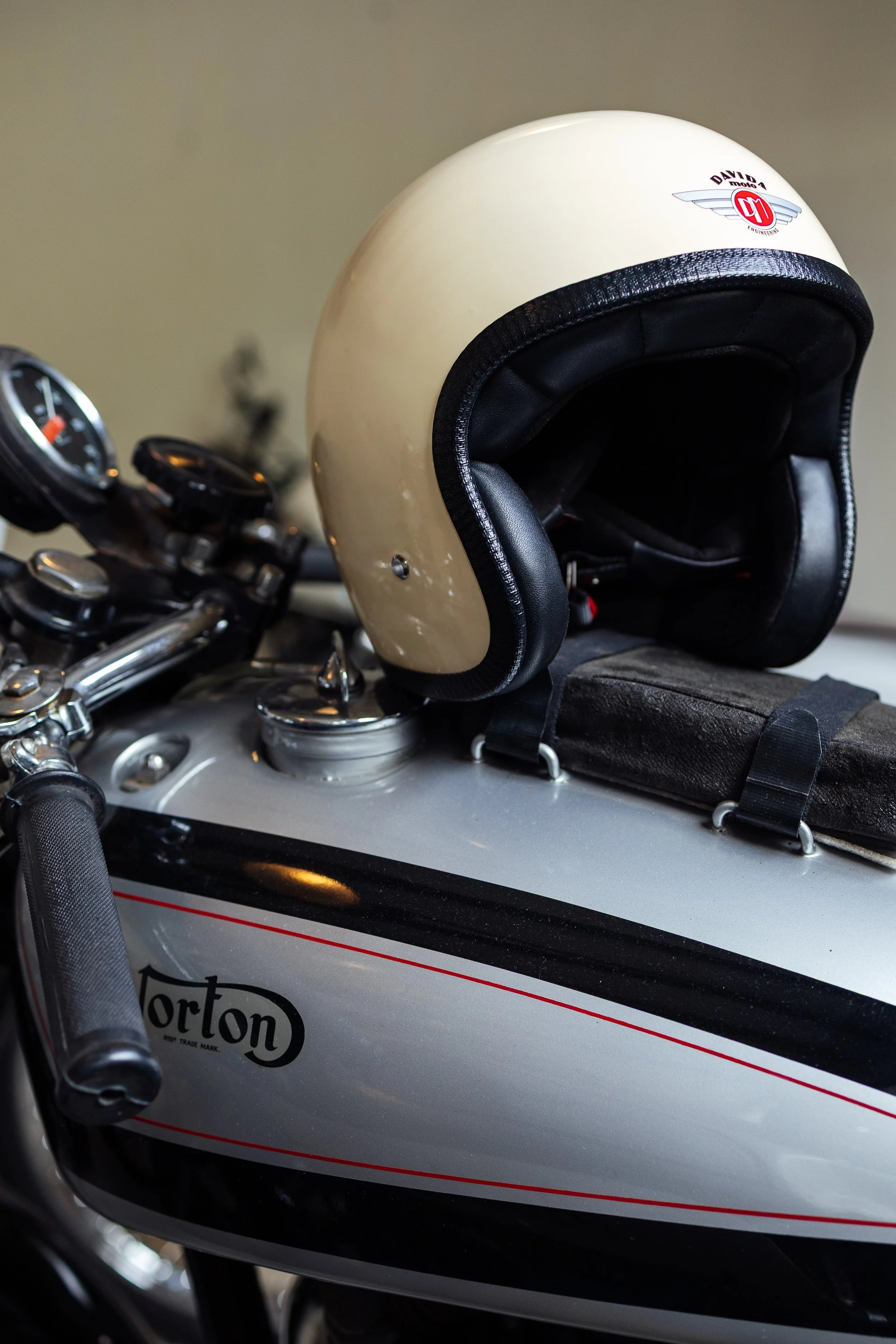
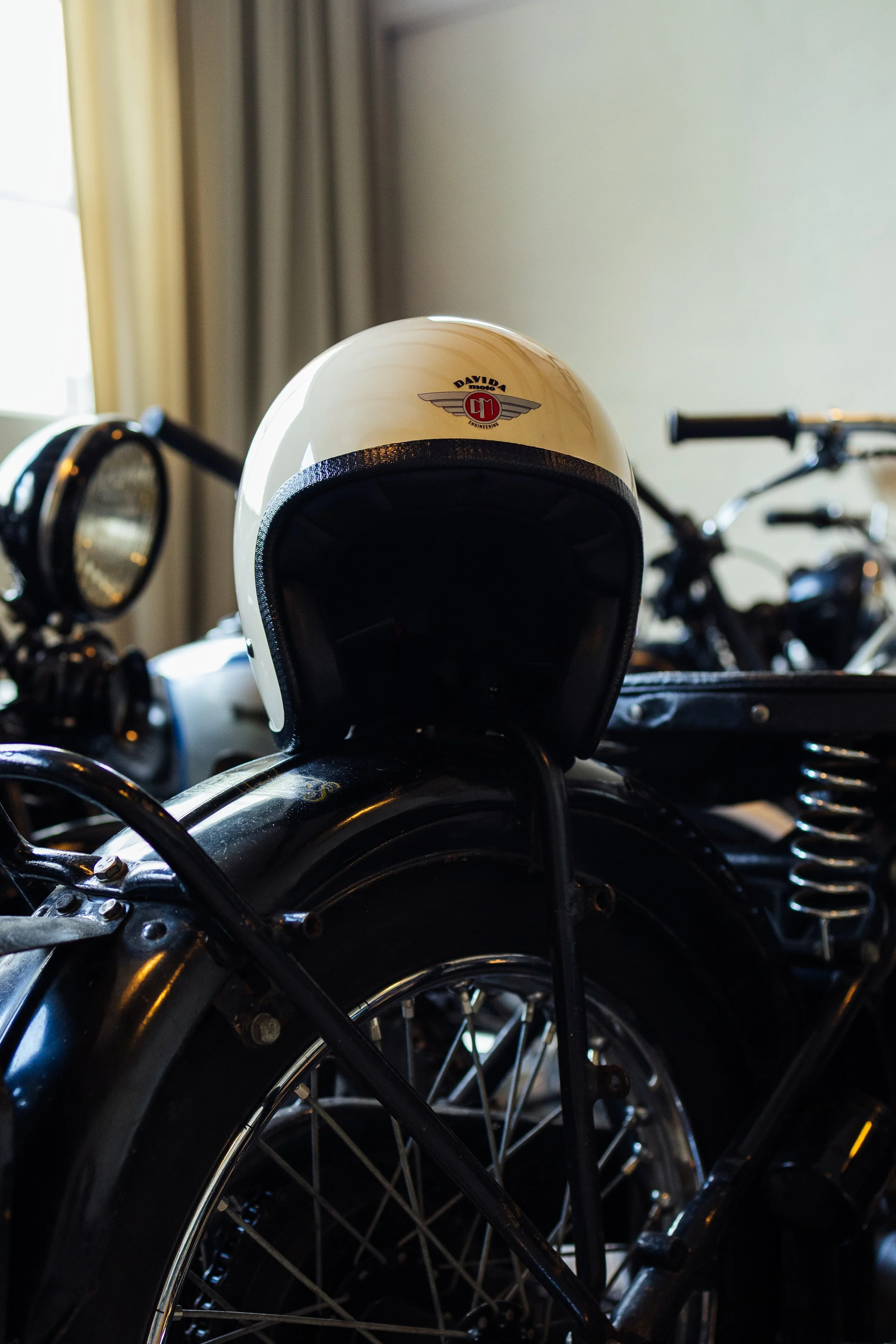
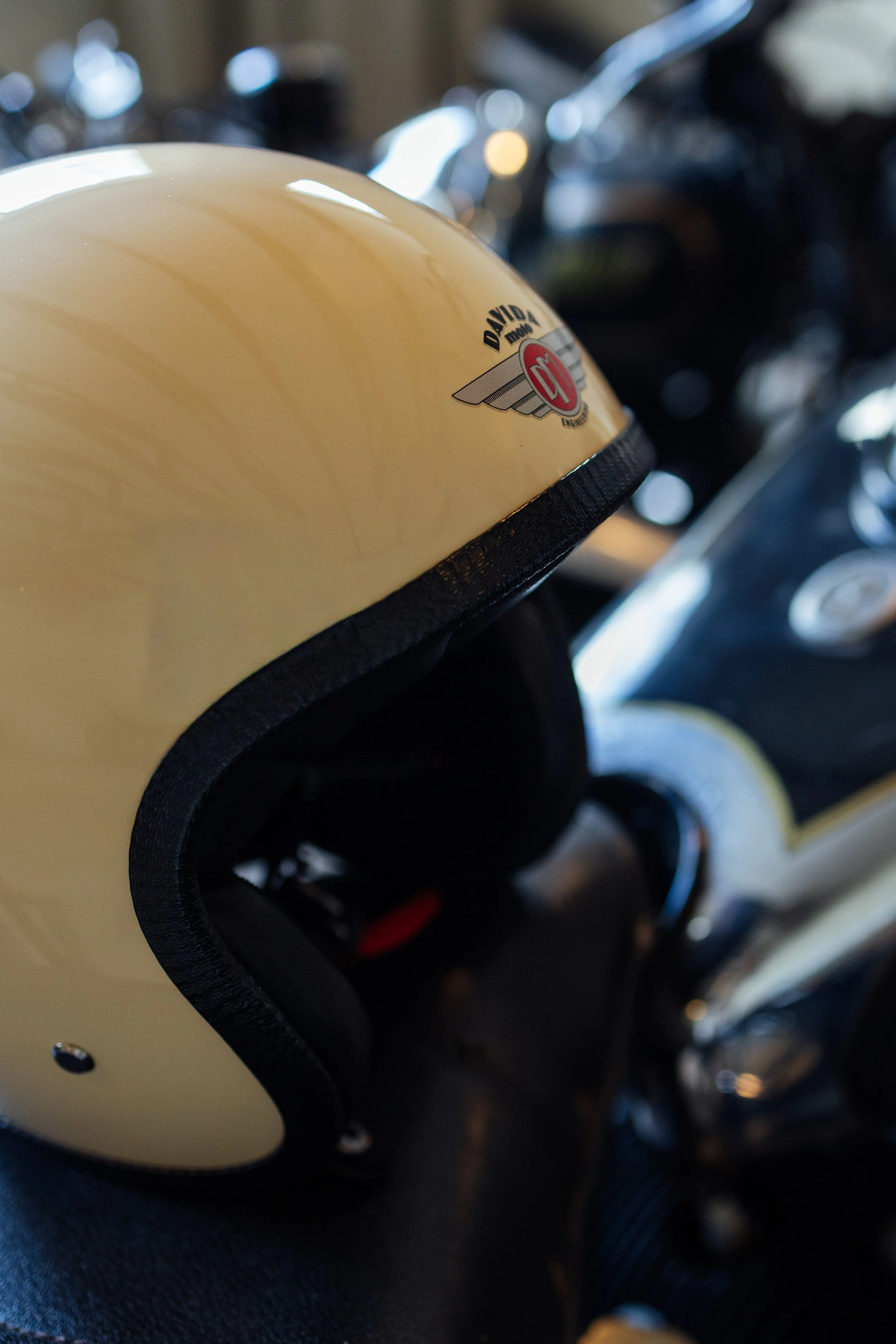
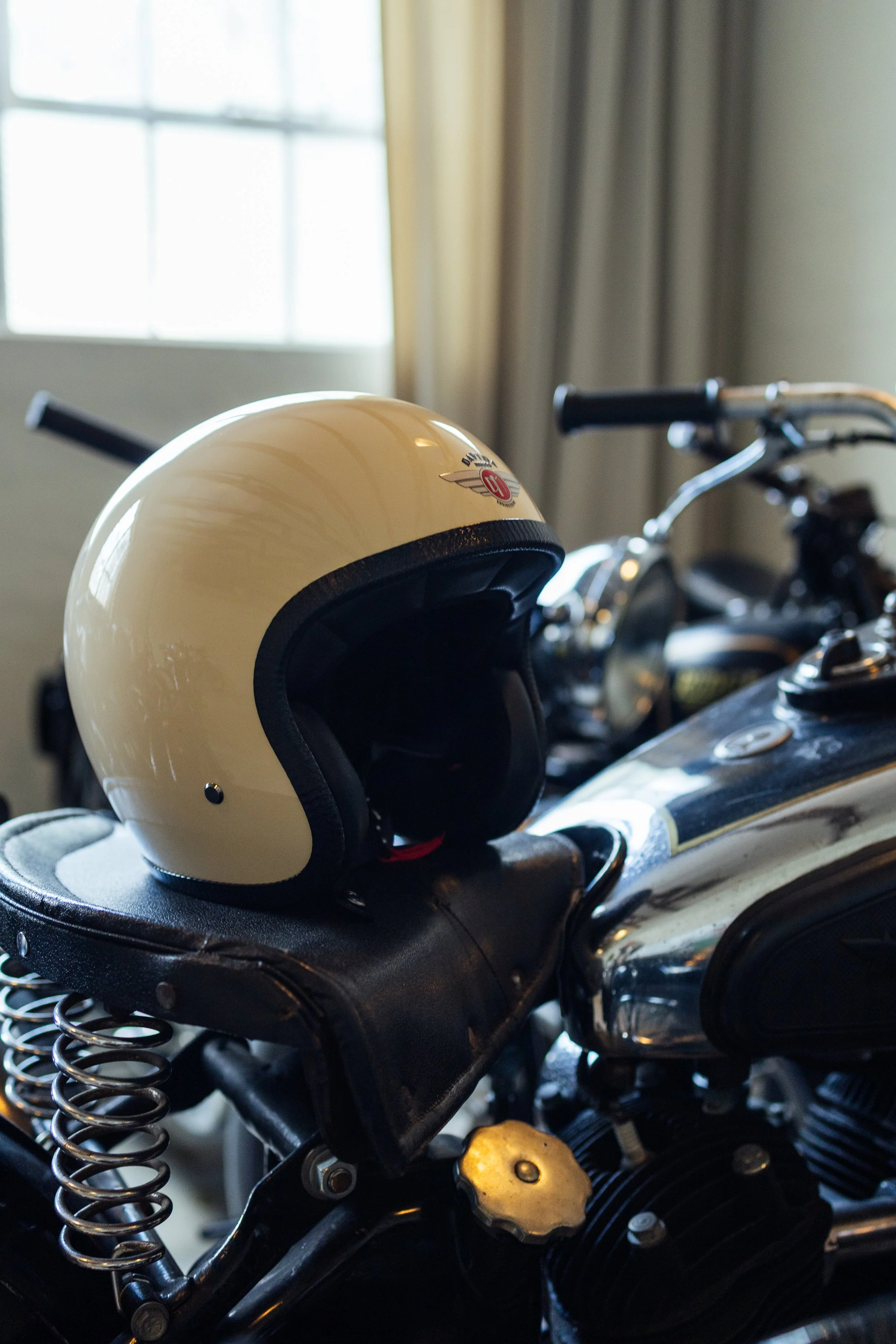
I was recently shooting for Davida Speedster helmets.
Setting it up, moving around it, trying to find the right angle that said what I wanted to say.
That sent me back thinking to the beginning, to how Davida came to exist, and why it still matters.
Davida Helmets has been making open-face motorcycle helmets for more than four decades. The company was founded by David Fiddaman, known within the motorcycle community simply as Fid the Lid, a motorcycle enthusiast and engineer who started in a small workshop in the 1970s, producing carburettor balancing gauges and aftermarket components for a growing performance motorcycle market.
In the early 1980s, Fiddaman noticed something. The retro-style helmets riders actually wanted, the pudding basin shapes, the jet profiles from the 1950s, 1960s and 1970s, were not being made well. So he made them himself. That decision, born from a straightforward dissatisfaction with what was available, became Davida.
The helmets riders actually wanted were not being made well. So he made them himself.
What has kept Davida distinct for four decades is a refusal to separate how something looks from how it performs. Premium leather linings. Carefully engineered shell shapes. Custom paint options. ECE certification for Europe, DOT for the United States, ACU Gold for racing. The classic aesthetic is not a compromise but the result of genuine engineering applied to a specific vision of what a helmet should be.
The Speedster is the helmet that most people associate with Davida. It captures the proportions of a classic 1970s jet helmet low, clean, with a visual weight that feels right on a café racer or a custom build, while being made with modern manufacturing techniques and certified to modern standards.
In 2017, Davida moved beyond open-face entirely with the Koura, a full-face helmet built on the same principles. Retro-inspired, contemporarily safe. A significant step for a company that had defined itself through a single silhouette for thirty years.
The brand has always been closely associated with British motorcycle culture, as the café racer movement, the scooter scene or the classic motorcycle community. Its helmets have appeared in exhibitions, custom motorcycle events and cultural collaborations worldwide, including work connected to Fred Perry. These can be marketing decisions, but most importantly they are a natural consequence of building something that belongs to a community rather than targeting it.
This is what I keep coming back to when I think about Davida.
Community and culture. That is the rarest thing a manufacturer can achieve.